
Mealtime Matters: Reclaiming the Family Dinner
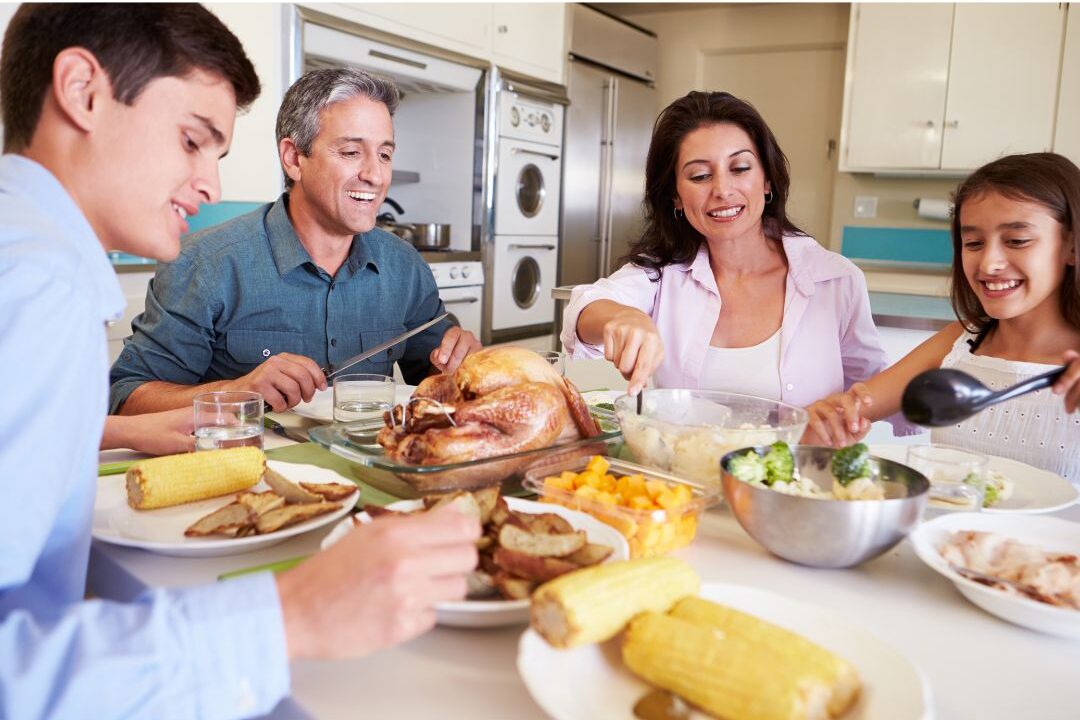
In the rush of everyday life, family dinners often become an afterthought – or worse, a casualty. Between work schedules, school activities, practices, and the ever-present pull of screens, it’s easy for the dinner table to fall silent or empty.
But here’s the truth: mealtime matters more than we think. It’s not just about food. It’s about presence, formation, connection, and memory. In fact, reclaiming the family dinner may be one of the most powerful and practical ways to live out your vocation and practice the virtue of moderation.
Why the Family Table Is Sacred
The Gospels show us that some of the most important moments in Jesus’ ministry happened at meals – at Levi’s house, with Martha and Mary, at the Last Supper. He didn’t rush through dinner. He reclined, blessed, taught, and shared.
The dinner table is where identity is shaped and relationships are strengthened. It’s where virtue is passed on – not in lectures, but in stories, tone of voice, and presence.
Multiple studies have shown that families who eat together regularly tend to have stronger relationships, better communication, and children who are less likely to engage in risky behavior. For Catholic families, the dinner table is a place where faith can grow naturally, where gratitude becomes habit, and where hospitality is first practiced.
The Role of Moderation
In a culture obsessed with constant motion, moderation helps us pause. It tells us it’s okay to slow down, say no to yet another evening commitment, and protect a space that belongs to the family.
Reclaiming mealtime is an act of moderation. It says: Our family is worth guarding time for. This table is worth sitting down at.
Simple Ways to Reclaim the Family Dinner
You don’t need gourmet meals or perfect manners to make dinner matter. Here are some realistic ways to bring peace and purpose back to your family table:
1. Set a goal – just three nights a week.
Don’t aim for perfection. Start with a few intentional meals each week where everyone is present and screens are off.
2. Begin with a short prayer.
Create a sense of reverence and gratitude. A simple blessing or even asking each family member to name something they’re thankful for sets the tone.
3. Ask one great question.
Skip “How was your day?” Try instead:
- “Where did you see God today?”
- “What’s something that made you laugh?”
- “Did anything surprise you today?”
- What did you fail in today and what did you learn from that?
4. Let kids help – mess and all.
When kids help prepare, serve, or clean up, they’re more invested. They also learn that family dinner is a team effort.
5. Light a candle or play calming music.
Even small rituals like these can make a meal feel special and unhurried.
6. Practice presence.
No phones. No distractions. Just each other. Even if dinner only lasts 20 minutes, let it be a time of full attention.
7. Invite others.
Every so often, open your table to a neighbor, priest, or friend. Hospitality strengthens family culture and teaches generosity of heart.
Reclaiming the family dinner is not about adding stress to your already full plate – it’s about protecting your time and your vocation in one of the most accessible ways possible.
You don’t need to create Instagram-worthy meals. You just need to show up – hungry not just for food, but for connection.
In the end, it’s not the food your children will remember. It’s that they had a place at the table where they were seen, heard, and loved.