
How to Raise Grateful Children: Teaching Gratitude in a Culture of More
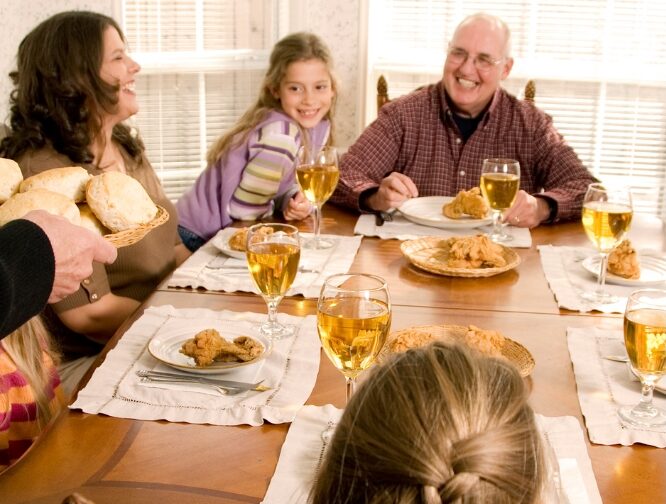
Thanksgiving gives families a natural opportunity for teaching children gratitude. We ask children what they are thankful for. We say grace before a table filled with food. Perhaps everyone names a blessing before dinner or writes something they are grateful for on a paper leaf.
These are beautiful traditions, but gratitude is meant to be more than an activity we practice once a year. It is an attitude toward life.
That can be particularly difficult to cultivate in a culture constantly telling our children they need something else to be happy. There is another toy to buy, another experience to have, another achievement to reach, another trend to follow, another place to visit, another thing their friends have that they do not.
Adults are hardly immune. We can spend enormous amounts of time thinking about the house we wish we had, the vacation we want to take, the career milestone we have not reached, or the circumstances we wish were different.
For Catholic families, gratitude is even more than a healthy mindset. It is a response to the reality that everything we have ultimately comes to us as gift. Teaching children gratitude, then, is not simply about raising polite children who remember to say “thank you.” It is about teaching them how to recognize the goodness of God.
Gratitude Has to Be Learned
Children are not born understanding how much has been given to them. A toddler does not know that someone worked to earn the money that bought his dinner. A child may not understand the sacrifice involved in driving to soccer practice four nights a week. A teenager may see the family vacation without seeing the months of saving that made it possible. This does not make children selfish. It makes them children.
Gratitude develops as children gradually learn to look beyond themselves. They begin to understand that food does not simply appear on the table, clean clothes do not magically arrive in drawers, Christmas gifts cost someone something, and the people who love them make sacrifices they may never fully see. Parents can help that awareness grow.
But gratitude is difficult to teach through lectures. Telling children how fortunate they are rarely produces the response we hope for. Neither does comparing their lives to people who have less.
“Do you know how lucky you are?” may occasionally be true, but it does not necessarily teach a child how to recognize a gift. Gratitude grows more naturally when we help children notice.
Grateful Parents Tend to Raise Grateful Children
Before creating a gratitude chart for our children, it may be worth listening to the way we ourselves speak. What do our children hear us notice?
Do they hear us regularly complain about traffic, work, money, the weather, our house, our bodies, other people, and everything that did not go according to plan? Or do they also hear us recognize what is good? “This weather is beautiful.” “I’m so glad Grandma could come today.” “That was really kind of your teacher.” “I’m grateful Mom made dinner tonight.”
Children learn what deserves their attention by watching what receives ours.
This does not mean parents should pretend everything is wonderful. Gratitude is not forced positivity. There will be hard days, genuine disappointments, financial struggles, grief, illness, exhaustion, and seasons when giving thanks feels particularly difficult.
Gratitude does not require us to call suffering good. It teaches us to continue looking for God within a life that contains both joy and suffering.
Make Thanksgiving a School of Gratitude
Thanksgiving provides a wonderful opportunity to practice gratitude intentionally, especially because children often learn best when an abstract virtue becomes something they can actually do.
One simple exercise is to create a family gratitude timeline. Instead of asking everyone to name something they are thankful for on Thanksgiving Day, spend the week beforehand remembering the previous year. Look through photos or the family calendar together. What happened last December? Who visited during the summer? What prayers were answered? What difficult experience did you make it through? Who helped your family? What ordinary moments had everyone forgotten?
This helps children discover that gratitude often requires memory. We forget gifts surprisingly quickly.
Another idea is to create a thank-you challenge during November. Ask every family member to intentionally thank one person each day. The goal is to move beyond automatic politeness and become specific: “Thank you for making dinner.” “Thank you for driving me to practice.” “Thank you for helping me study.” “Thank you for always calling to check on us.” Older children could write a note or text someone who has made a difference in their lives.
You could also begin a gratitude jar at the start of November. Keep slips of paper somewhere accessible and encourage family members to write down good things as they happen. They do not need to be profound. A funny conversation, beautiful weather, an answered prayer, pancakes on Saturday morning, a friend’s kindness, a good grade, or an unexpected day off all count. Read the slips together on Thanksgiving.
For families with younger children, try a gratitude scavenger hunt. Ask them to find something in the house that keeps them warm, something someone made for them, something that reminds them of a person they love, something that helps the family pray, something they can share with someone else, and something they use every day but rarely think about. Instead of simply listing blessings, children physically discover how many gifts surround them.
Finally, consider adding gratitude for people who are not at the table to your Thanksgiving traditions. Remember grandparents and other relatives who have died. Tell stories about them. Pray for them. Talk about the sacrifices previous generations made for your family. Gratitude does not have to end with the things and people we currently possess. It can include the inheritance of faith, love, traditions, and sacrifices we have received from those who came before us.
Mary Teaches Us to Remember God’s Gifts
Mary offers a beautiful model of gratitude in the Magnificat. “My soul proclaims the greatness of the Lord; my spirit rejoices in God my savior” (Luke 1:46-47). Mary’s prayer is filled with remembrance. She looks at what God has done for her, but she also remembers what He has done throughout generations. She recognizes herself as part of a much larger story of God’s faithfulness.
Her gratitude is not based upon having an easy life. Mary’s life would include uncertainty, poverty, displacement, misunderstanding, fear, and eventually unimaginable grief. Yet she remembers what God has done. This is something Mary, Mother of Fairest Love can teach our families. Gratitude grows when we remember. We remember the prayers God has answered. We remember the people He has given us. We remember the difficult seasons He carried us through. And we teach our children to remember too.
More Resources: